Racing
 League
 Rugby
Rugby
 Football
 Cricket
 Golf
Golf
 Sport Nation
 Motorsport
 Netball
 Basketball
 Combat Sports
 Olympics
 Other Sports
 Find your local frequency
F1 battery power regulations tweaked for Miami GP
Reuters • April 21st, 2026 7:44 am
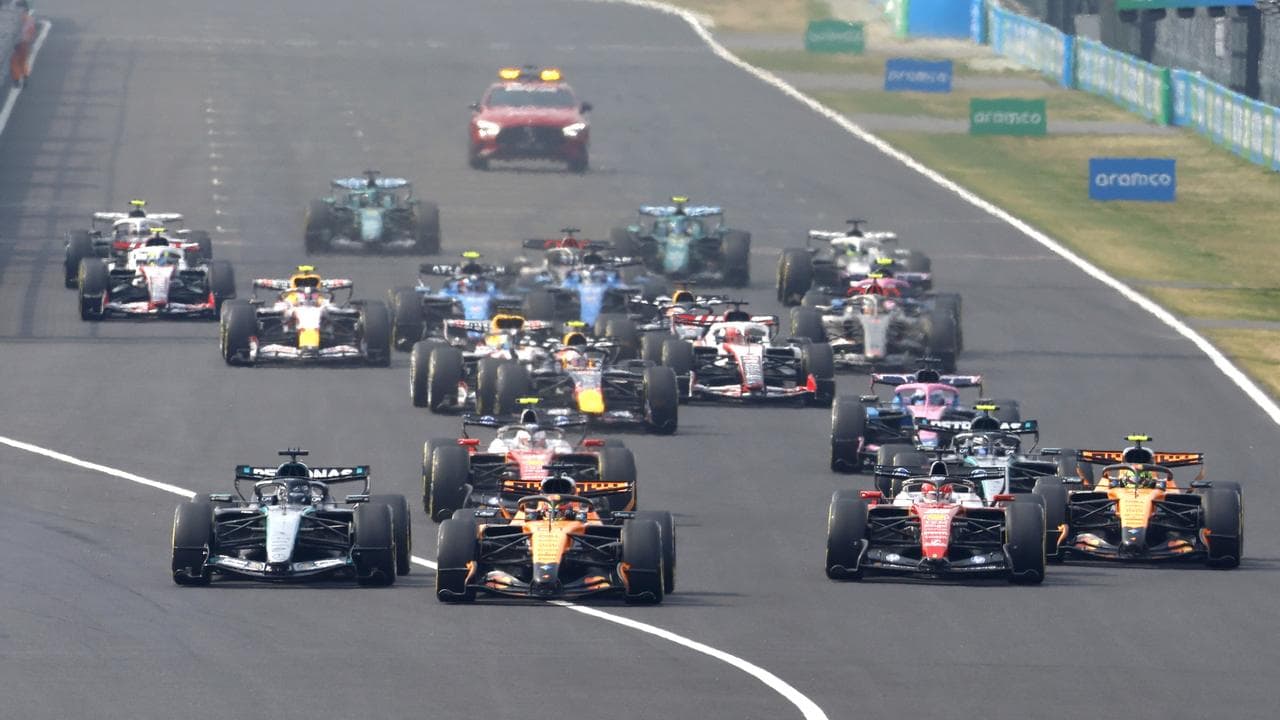
Formula One | Photo: Reuters
Formula One teams and stakeholders have agreed unanimously to rule tweaks aimed at improving the racing and driver safety from the next race in Miami on May 4 (NZ time).
The sport started a new era this season with big changes to both chassis and engine rules, with the new power units split roughly 50-50 between electric and combustion power.
Drivers have complained over the first three races about having to 'lift and coast' into high-speed corners so the combustion engine can recharge the battery, and have aired safety concerns.
These were highlighted at the last grand prix in Japan, when Oliver Bearman, moving at speed in the Haas, crashed while trying to avoid the slow-moving Alpine of Franco Colapinto, who was "harvesting" battery power.
Drivers have also had to contend with 'super-clipping' where the power unit automatically diverts energy from the engine to the battery, slowing down the car even if the driver is flat on the throttle.
A chaotic finish to the Christchurch Super 440 | Supercars on Sport Nation
The governing International Automobile Federation (FIA) said in a statement that Tuesday's online meeting with the 11 team bosses, power unit CEOs and Formula One had agreed a number of in-season "refinements" that would now be put to a virtual vote.
"The proposals agreed today... will be implemented from Miami apart from the race start changes that will be tested in Miami and adopted following feedback and analysis," it said.
The FIA said energy management parameters would be adjusted for qualifying, with a reduction in maximum permitted recharge from eight megajoules to seven to encourage more consistent flat-out driving and peak 'superclip' power increased from 250kW to 350kW to reduce the time spent recharging.
In the race, measures were introduced to reduce excessive closing speeds and limit sudden performance differentials with the maximum power available through boost capped at an additional 150kW.
A new system has been developed to mitigate the risks of a slow-starting car being struck by a faster one close behind as well as measures to improve safety and visibility in the wet.