Racing
 League
 Rugby
Rugby
 Football
 Cricket
 Golf
Golf
 Sport Nation
 Motorsport
 Netball
 Basketball
 Combat Sports
 Olympics
 Other Sports
 Live sport on SN this weekend
Why New Zealand sport struggles to match off-shore atmosphere
Savannah Lendich Jonkers • July 15th, 2026 12:16 pm
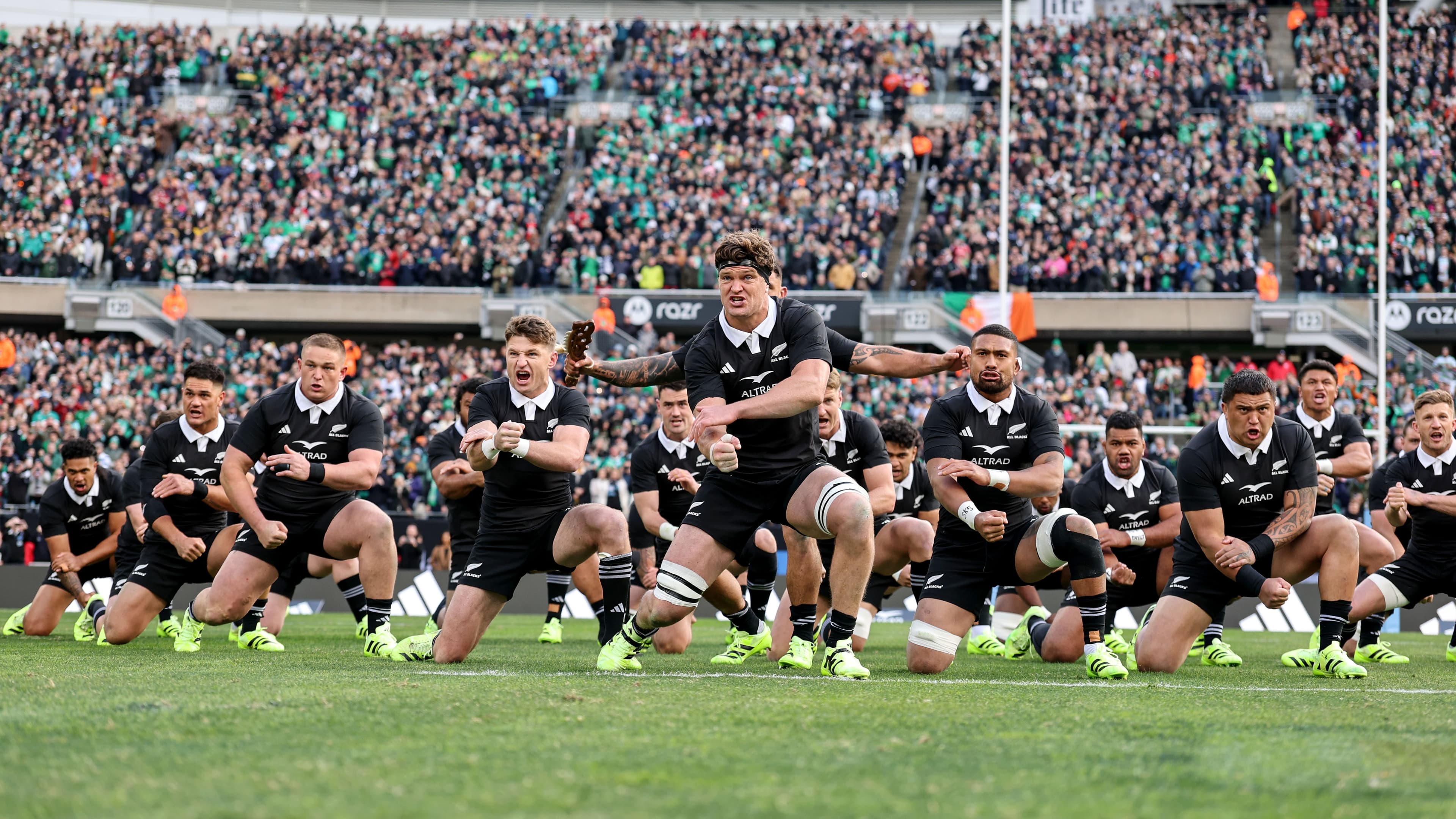
The All Blacks perform a haka | Photo: Photosport
From packed football grounds in Europe to college stadiums in the United States, some sporting venues are as renowned for their atmosphere as the action on the field. In New Zealand, however, creating that same level of crowd engagement has proven difficult.
Veteran broadcaster and courtside MC Andrew Dewhurst, fan experience expert Nick Rowland and Wellington Phoenix supporters group member Dale Warburton joined Scotty & Izzy to dissect the potential for improvement in fan experience.
Dewhurst is firm in his belief that a crowd’s atmosphere cannot be manufactured.
“It's not about piping chants through a PA system or forcing something to happen. It's got to be organic and it's got to be largely led by what's happening on the field or on the court.
“But then the fans have got to lead it, they've got to take over. It has to be them because if it's not, you're trying to force something.”
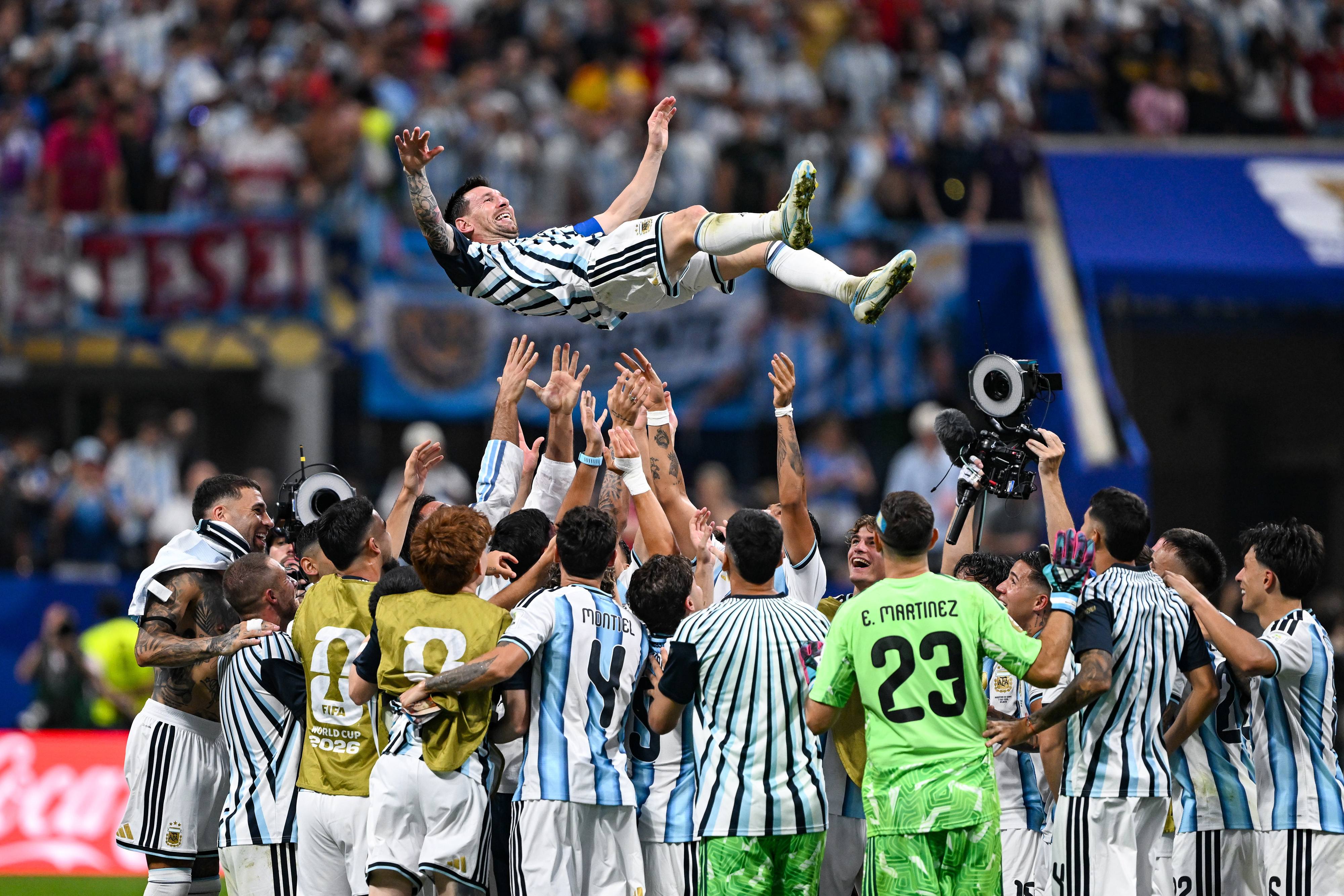
Argentina teammates hoist Lionel Messi into the air | Photo: Rich von Biberstein/Photosport
Dewhurst says New Zealanders have traditionally been more reserved sports fans than many overseas counterparts.
“There's no question in a sporting sense we are conservative as a nation, generally speaking, despite the fact there's been some wonderful moments through our history.”
He believes infrastructure also plays a major role in shaping fan culture, particularly in football.
“If you create in New Zealand a 12,000 to 15,000 seat rectangular for football, you create the demand, you create the urgency to be a part of it and you will help build something very special and you will help fans come out of their shells.”
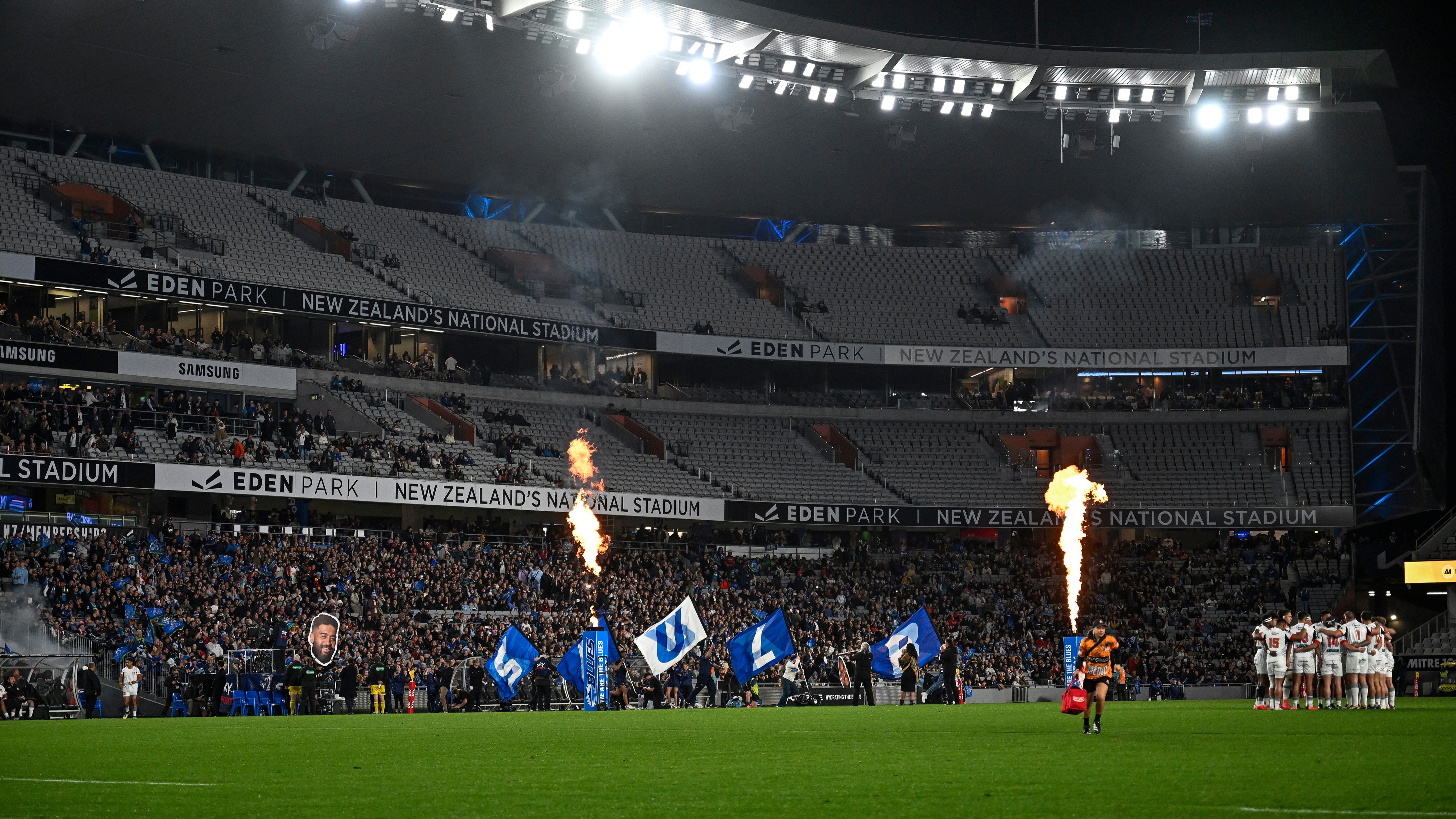
Blues at Eden Park | Photo: Photosport
That view is also shared by Warburton, who argues many New Zealand venues are simply too large for the crowds they regularly attract.
“We have stadiums that are for 95% of the events, they're just not even close to being full, like they're all built for All Blacks games so when they're not full, they look very cavernous, Eden Park, Hnry down here, I think Te Kaha will probably face a similar issue in a couple of years.
“You can get quite a good crowd from 5,000 people if it's in a tightly confined area. But if you chuck even 10,000 in a 30,000 or 40,000 stadium, it's always going to be hard work.”
Are 2026 Warriors fans "tough-losers"? | Sport Nation
Warburton believes scarcity can help build excitement and demand for attending live sport.
“Building demand by having reduced supply so that people feel like it's an event they always have to go to because it's close to being sold out and if they don't get their ticket, they're going to miss out.
“But at the moment, you can rock up on the day and look out the window and go, ‘oh, it's a bit windy’ or ‘it's a little bit rainy and not bother.’”
He also pointed out that stronger traditions will emerge over time.
“Professional football is pretty new here in New Zealand and perhaps some of the stuff will help is the new generation starts coming through.
“Once you get that generational like ‘my dad went’ or ‘I used to go with my dad,’ some of that stuff may help create a bit more of a groundswell for people who are more you know inclined to sing and chant and do those things.”
Filipino fans light up Spark Arena for Tall Blacks clash | The Fast Break Podcast
Rowland however says New Zealand's sporting culture should not be judged solely on how vocal crowds are during games.
“When we're talking about fandom in general, we have thousands of fans that are travelling around the world following our team so there's certainly still a very, very good fan base in New Zealand.”
“Maybe they don't shout and hooligan at the game, but they're putting their money where their mouth is and following these teams right around the world.”
Rowlands notes that fan behaviour varies significantly from country to country.
“You go to South Africa and they're all braaing outside, and then you go to America and there's a party because there's 15 different events at every stadium every week. I think every part of the world is slightly different.
“But certainly when you go over and experience some of those stadiums around the world, the whole 50, 60, 70,000 people are into it. They're singing the songs and all the rest of it, and that's really cool to experience.”
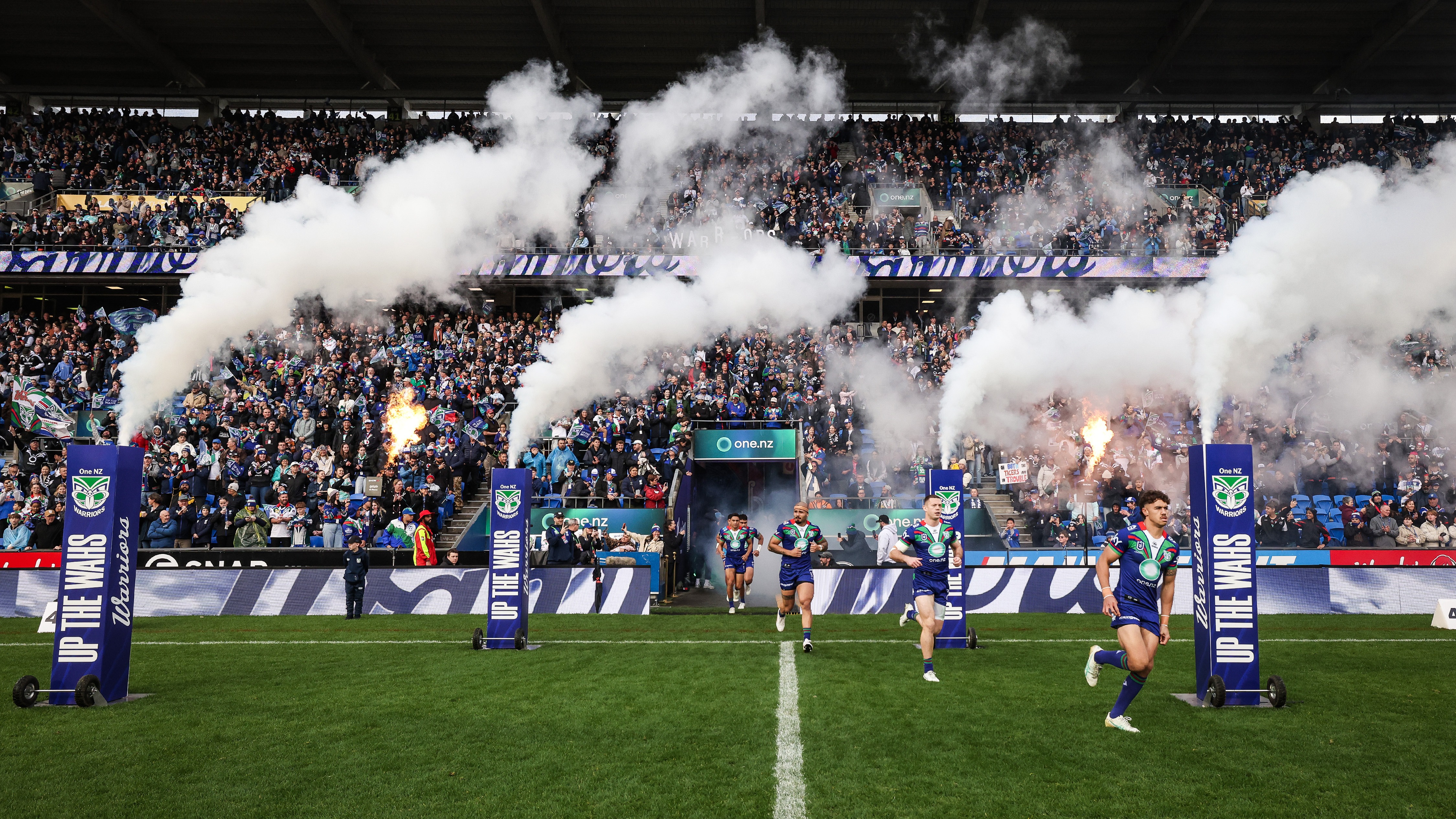
Warriors at Go Media Stadium | Photo: Photosport
Part of that difference, he says, comes from the way teams overseas often control every aspect of the match-day experience.
“I guess in some jurisdictions you also have the team that owns the stadium so they can kind of create quite a big fandom element to it.
“Everything from the cup you're getting and all the way through the kind of whole experience is completely owned by the team so that creates all sorts of fan engagement opportunities which I think they do really really well internationally.”
Rowlands also believes the nature of different sporting codes can influence crowd energy through their methods of immediate and gradual scoring.
“I compare it to the likes of a football game. All of a sudden, there's a goal and it takes people by surprise. So it creates that real burst of energy at any one point. Rugby, you kind of see the try coming. 30, 40 metres out, they're making their way. 10 metres and then all of a sudden, there is a try.
“So there's not as much of a flick of a switch where you kind of create that real spark of energy.”
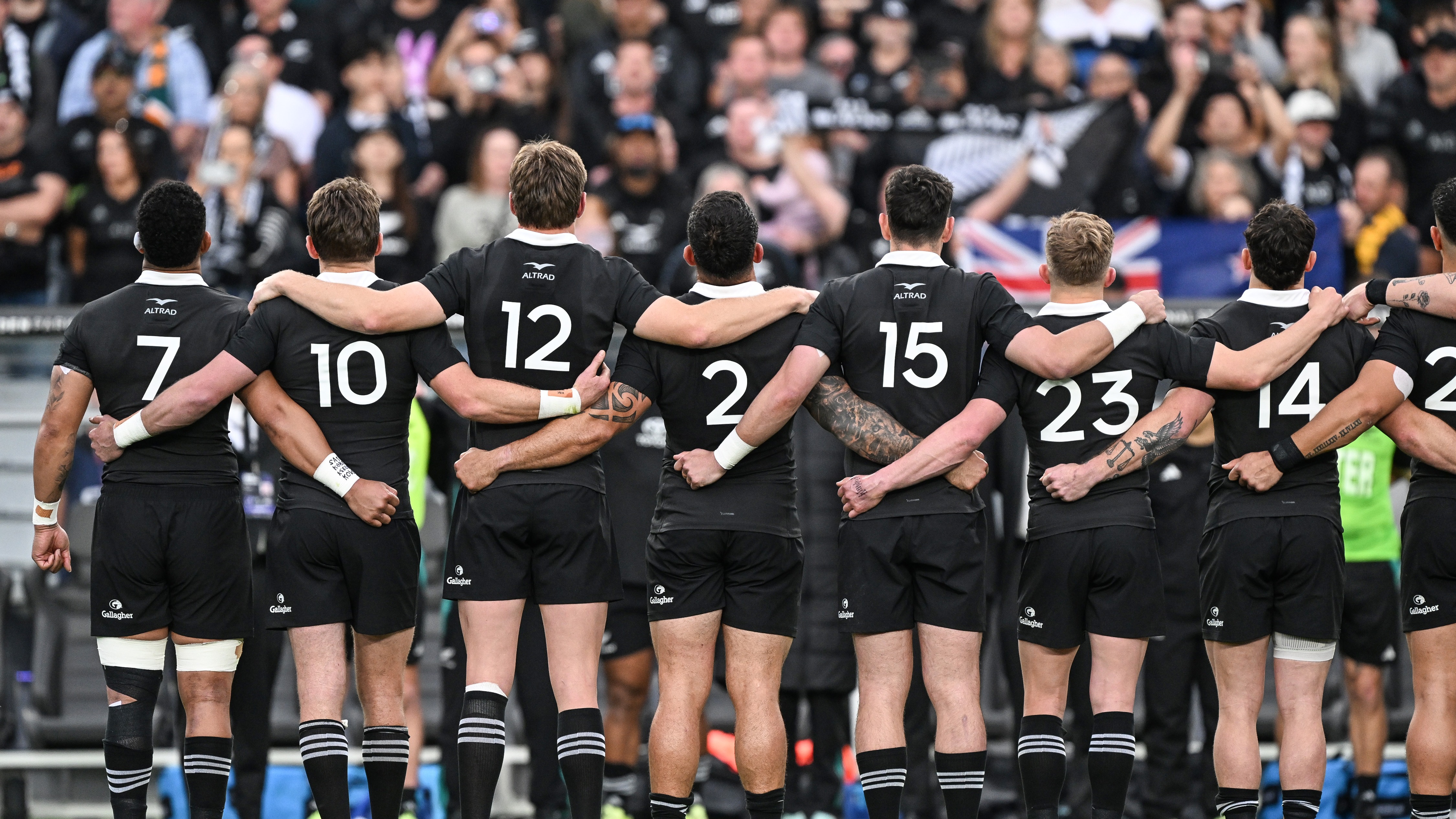
Photo: Andrew Cornaga/Photosport
Even so, he believes New Zealand already offers unique sporting experiences that rugby fans from around the globe can only dream of experiencing.
“You go to an All Black game, there's a lot of people, the stadium is always full, there is a lot black.
“People come to New Zealand to experience that, remember so there is some sort of fan engagement already happening.”
Rowlands recently attended Super Round at Christchurch's Te Kaha Stadium and said the event demonstrated what is possible when an entire city embraces a sporting occasion.
He attended Super Round where Christchurch got behind the event, saying he could feel the buzz around the city all day.
“I think the Super Round and a few other things that I've done down there have really kind of changed the game a little bit on what people perceive as going to a match.”
Listen to the full panel discussion below: