Racing
 League
 Rugby
Rugby
 Football
 Cricket
 Golf
Golf
 Sport Nation
 Motorsport
 Netball
 Basketball
 Combat Sports
 Olympics
 Other Sports
 Live sport on SN this weekend
'Role model': Katich reflects on Khawaja's resilience after retirement call
Sam Kosack • January 4th, 2026 7:13 pm
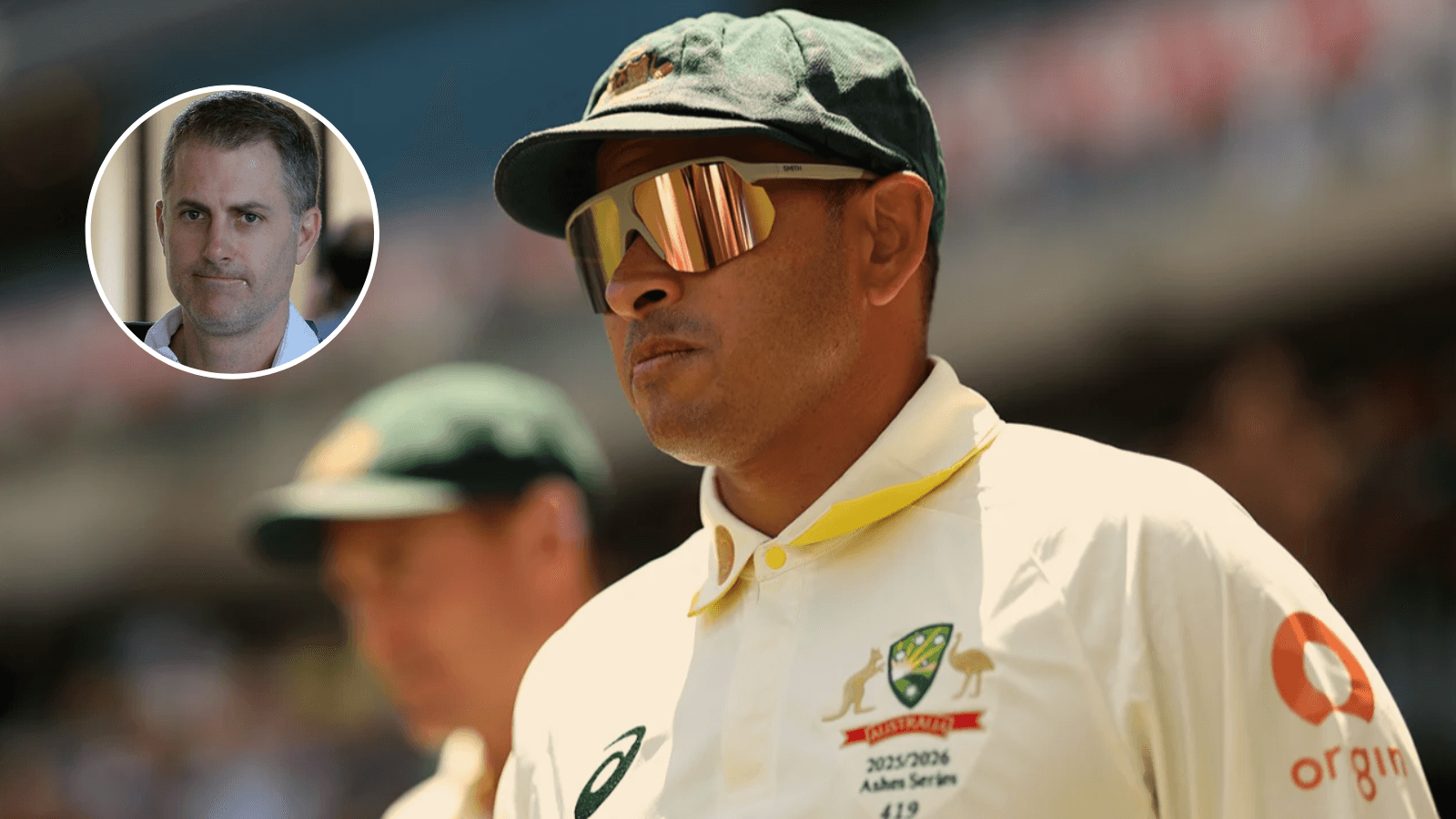
Simon Katich believes Usman Khawaja will be remembered among the best of Australia’s cricketers as the opener calls time on a storied and decorated career.
Katich has been a teammate of Khawaja’s since the latter was 17, playing club cricket alongside him before playing together for NSW.
Khawaja’s international career has spanned 15 years and 88 Tests, and fittingly will finish up in Sydney where he grew up.
He currently sits 30 runs behind Mike Hussey on Australia’s all-team highest running scorers leaderboard (15th overall), and holds an important piece of Australian cricketing history as the country’s first Muslim Test representative.
As Khawaja’s time at the international level draws to an end, Katich reflected on the career of the 17-year-old he knew playing at Randwick Petersham Cricketing Club; one defined by resilience and perseverance.
“What stood out about Uzzie (Khawaja) back then was, one, his temperament,” Katich said on SEN Cricket.
“He opened the batting for us in club cricket, and he would dig in and bat for long periods of time so we always knew he had that.
“The one thing throughout his career we always talked about was, and I used to say to him, mate… why aren't you trying to open the batting for Australia?
“And then eventually it happened by chance when he went to the UAE and did really well in that series against Pakistan at a neutral venue, and then obviously in this last renaissance of his career, has opened and done very well in that position.
“You never know (if someone will play for Australia)... but I always knew that with his character, skill and temperament, that he had a very good chance of going further.
“He'll be in that very good category (of Australian cricketers) because when you look at his numbers opening the batting, they've been superb.
“To bat at the top of the order, particularly at this late stage of his career, (it’s) not easy to do.
“The other thing that stands out is the resilience, and also the fact that not everything's gone his way in his career, but he's kept hanging in there.
“It's a great lesson for young kids out there, but also more importantly, kids from that multicultural Asian background that potentially have found cricket to not be maybe as inclusive as it needed to be.
“I think that's something that the game is certainly trying to change, from both a male and female perspective, and… he said it publicly, hopefully, the next Usman Khawaja from that background, whether it’s from Pakistan or Sri Lanka or Bangladeshi or Indian background, he has a chance to play for Australia and sees him as a role model along that journey.”
Adam Collins on how he'll remember Usman Khawaja as a cricketer | SEN Cricket
Khawaja hasn’t only had to bounce back from periods of poor form.
He has always been vocal about the racial prejudice he experienced throughout his career, opening up in his retirement press conference about the racial stereotypes he has endured.
The opener made specific reference to commentary around his back injury at the beginning of the series, where he was criticised for playing golf and suffering an injury in the days leading up to the first Test, in which he was called “lazy”.
“(The lazy tag) definitely affected him,” Katich said,
“And I think that has been a tag that he's definitely taken to heart and it's hurt him, and rightly so, because you never want to be tagged that way.
“There's no doubt that there will be a huge amount of respect shown for being forthright and having the opinions around a lot of these, in the past, probably taboo topics.
“When it comes to issues like racism and some of the political things that are going on around the world, he has been keen to speak up on these matters, and that's credit to him for having that character.
“In terms of being outspoken, that's just in his nature that he wants to speak his mind and he's free to do that.
“I know we've discussed things over the years and there's no doubt a lot of us that have known him and supported his career have felt disappointed that that was the treatment he got.
“I think, after the 2019 Ashes in particular from my perspective, that was the one that really stood out as being a bitter pill to swallow because it felt like he was the easy target to be dropped, and yet others struggled worse than he did.
“I guess half the battle is trying to put that away and not let it eat away at you to then affect your next opportunity, and that's the thing I speak about with the resilience is he deserves a lot of credit for being able to let that go.
“I think this regime has suited him at the end, and that's credit to Andrew McDonald and Pat Cummins as captain, they've allowed him to be himself, and he's thrived as have a number of these players in this last sort of 45-year period.
“I think that's credit to the management for identifying that all these guys have got totally different personalities and characters and what makes them tick is different.
“It was also good to hear him give credit to Justin Langer a couple of days ago as well, in particular the way he plays spin in the subcontinent, and Langer gave him that freedom to say, go and do it. You can do it in those conditions.
“There's no doubt they clashed because they're very different, and you saw it in the Amazon Test documentary when they did clash, but it was nice that he gave him some credit for that development in his game.
“He's had a lot more freedom in this last part of his career because it wasn't expected to happen.
“He'd pretty much given up hope that he was gonna get back in the Australian Test team, and then when it happened like that, you start to think, is it fate?
“He then made the most of that, and the rest is history.
“He should be very proud of making the most of that last opportunity.”