Racing
 League
 Rugby
Rugby
 Football
 Cricket
 Golf
Golf
 Sport Nation
 Motorsport
 Netball
 Basketball
 Combat Sports
 Olympics
 Other Sports
ICC approves trial of pink balls in bad light at Tests
Rory Dollard • June 2nd, 2026 5:00 am
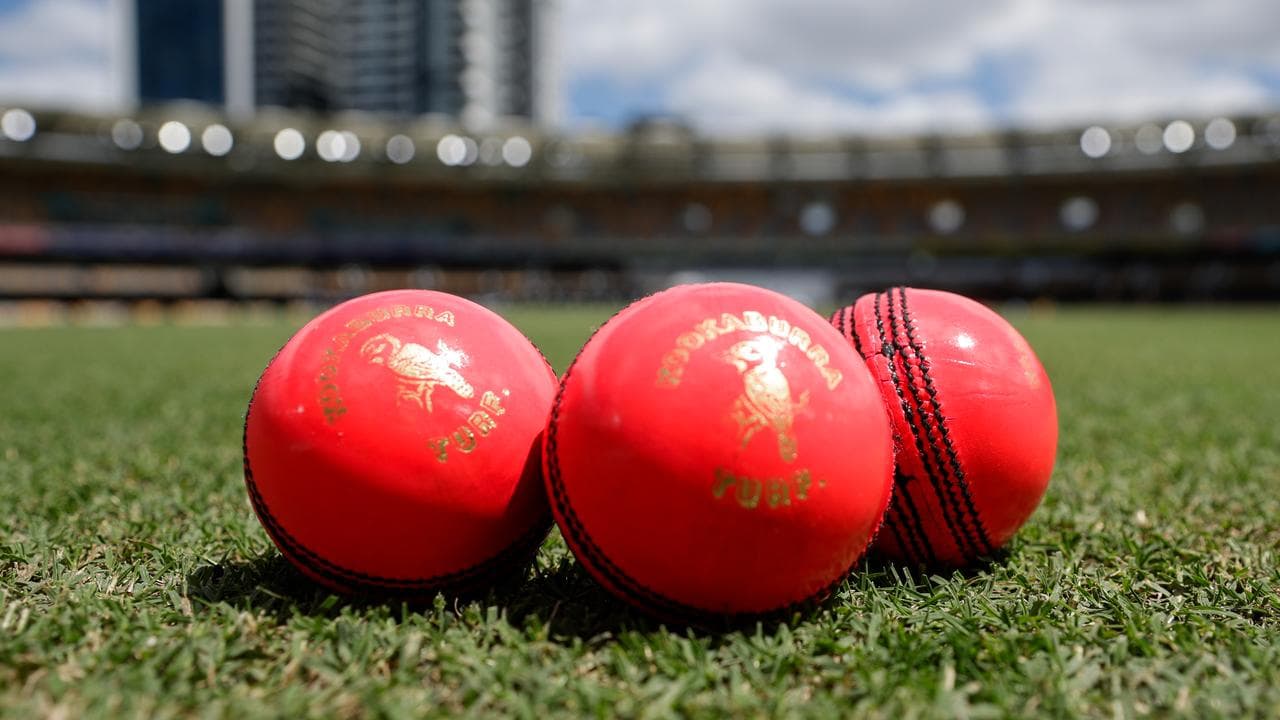
The ICC has approved a trial of pink balls for use in times of bad light in Test matches | Photo: Russell Freeman/AAP
The International Cricket Council has approved a trial that could lead to pink balls being used as replacements in Test matches to combat bad light.
Pink balls have been used in day-night Tests since the concept launched in 2015, but traditional red balls remain the standard.
Now the ICC has agreed to proceed with a pilot scheme whereby pink balls, which are easier to see when visibility dips in gloomy conditions, would be introduced to allow play to continue.
As it stands there is limited information about the logistics, with the governing body allowing just a single line to the development in its update from its weekend board meeting in Ahmedabad.
A statement confirmed that following recommendations from the ICC chief executives' committee there had been approval for: "Trialling the use of a pink ball in Test Matches, with prior agreement from both teams, to maximise play in case of anticipated bad light."
Millsy opens an old wound from 2008's Test series vs England | Millsy & Guy
The Press Association understands the trial will not be implemented during the forthcoming Test series between England and New Zealand, which begins this week, nor does the England and Wales Cricket Board have any current expectation of using pink balls for home Tests.
Proponents of the move have previously advocated utilising a pink ball in periods of poor light as a boon to paying fans and broadcasters, who have often felt short-changed by lost time at matches, as well as a way to ensure even more positive results.
On the other hand, there are those who feel the pink ball plays and feels different and could create an imbalance when used intermittently over the course of a multi-day match.
The ICC additionally confirmed it would be commissioning research into lighting technology to address the issue of play being lost to bad light.
- Press Association