Racing
 League
 Rugby
Rugby
 Football
 Cricket
 Golf
Golf
 Sport Nation
 Motorsport
 Netball
 Basketball
 Combat Sports
 Olympics
 Other Sports
 Live sport on SN this weekend
'Too far up their own backsides': England legend unloads
SEN • December 8th, 2025 9:37 am
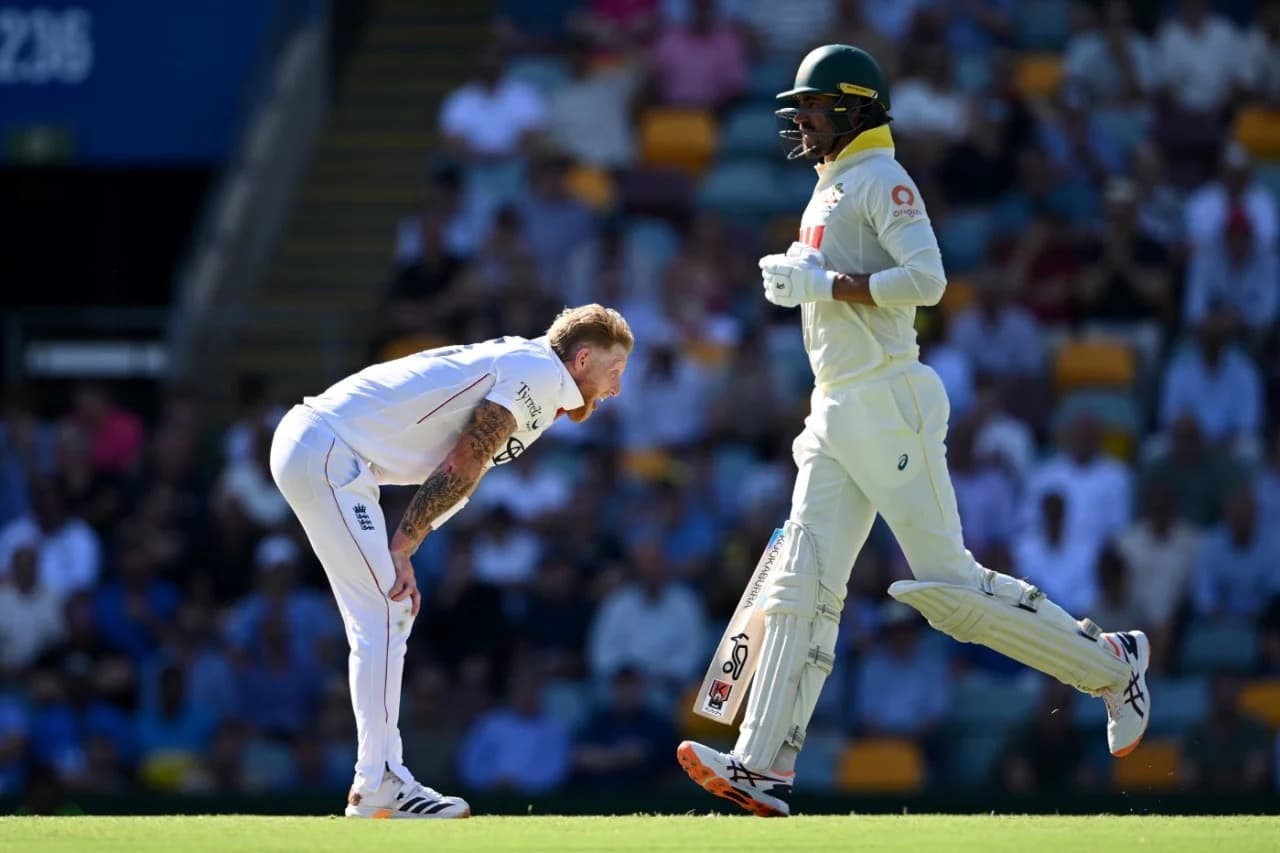
The English media have not been kind to their cricket team, and why should they be?
Having promised so much, the Ashes is all but over after just six days of play.
The Gabbatoir lived up to its name and England have now gone 17 tests without a win on Australian soil - it’s a dismal record.
For Sir Geoffrey Boycott “Brisbane was a horror show”.
Writing in his column for the UK Telegraph, the England great said: “Ben Stokes said England had a blueprint. They had been planning this tour for four years and know what they are doing. What a load of bulls---.
“One of the problems with this squad is it appears nobody tells them off or sits them down and discusses what they could or should have done differently. All we ever hear from the captain is attack and from the coach keep the faith.
"After some of those dismissals my Yorkshire captain Brian Close would have stood at the top of the pavilion steps with steam coming out of his ears waiting to give you a ‘knuckle sandwich’.
“They are up their own backsides convinced that Test cricket has changed so much that only they know anything about the modern game. But what do I know? I am just a has-been who did four England tours of Australia winning two Ashes series and drawing the other two.”
Also in the Telegraph, Oliver Brown highlighted the significant difference between what captain Ben Stokes said post match and Brendan McCullum.
"The captain reacted with barely-concealed fury," Brown wrote. "Declaring that no dressing room he led would be a place for “weak men”. This bracing message could hardly have formed a more vivid contrast with the absurd suggestion by head coach Brendon McCullum that everybody had “over-prepared”.
"After three years of revolution, Stokes gave the impression, however fleetingly, of being sick of his own team.
"Stokes was as severe as he had ever been in casting the players’ struggle to handle pressure, allowing momentum to ebb away the second they established a semblance of control. But the trouble with England is that they heed these lessons too late."
Elsewhere, Mike Atherton is struggling to find any reasons for optimism.
History is not on England’s side and talk of a whitewash is not premature.
“Australia have one hand firmly on the urn now after only six days of competitive cricket,” Atherton writes.
“Students of history will know that only one team — Don Bradman’s 1936-37 Australians — has come back from 2-0 down to win an Ashes series, or indeed any five-match series, and although England gave it a good go two years ago, it is difficult to grasp at optimistic straws this time.
“For the first time this series, England looked as though they were prepared to do the hard yards. You’ll hear a lot of theories for defeat over the next few days, but, in essence, the explanation is a simple one: to win Test matches in Australia, you have to play tough, hard, disciplined cricket for long periods of time. England haven’t been able to do that.
“The biggest disappointment is that this is a long way from being a vintage Australian outfit. Yet, so far, they have looked the tougher, more disciplined and more capable team.”
The BBC proclaims that “'England are in battle to avoid worst Ashes tour in modern times”.
Stephan Shemilt has called it, the Ashes is over.
“Realistically, albeit not mathematically, this Ashes series is over in six days of cricket.
“England have never come from 2-0 down to beat Australia, who have the added security of holding the urn. Australia have not lost three consecutive home Tests to anyone in 38 years.
There will be no defining series win for the Ben Stokes-Brendon McCullum era.
“Instead, this team is battling to avoid the worst England performance on an Ashes tour this century.”