Racing
 League
 Rugby
Rugby
 Football
 Cricket
 Golf
Golf
 Sport Nation
 Motorsport
 Netball
 Basketball
 Combat Sports
 Olympics
 Other Sports
Alex Chapman: Obstacles await Allott amid cricket's shifting landscape
Alex Chapman • April 29th, 2026 2:15 pm

Geoff Allott | Photo: Photosport
If ever there were a summary of the task Geoff Allott faces, it came in the press release announcing him as New Zealand Cricket CEO.
“I look forward to working collaboratively with the board, players, staff, member associations, and our commercial partners to build strong relationships, foster a positive and constructive culture, and deliver outstanding results both on and off the field.” Allott was quoted as saying.
It’s a fairly accurate reflection given the state the game finds itself in.
Cricket is fragile.
To say it’s precarious would be a stretch, but it’s teetering.
The game is a rapid and ever-changing landscape and leaves unsteady footing with no consistent map as a guide, and several countries - including New Zealand - scampering to stay on an uncertain path.
It’s not doom and gloom; it’s just volatile.
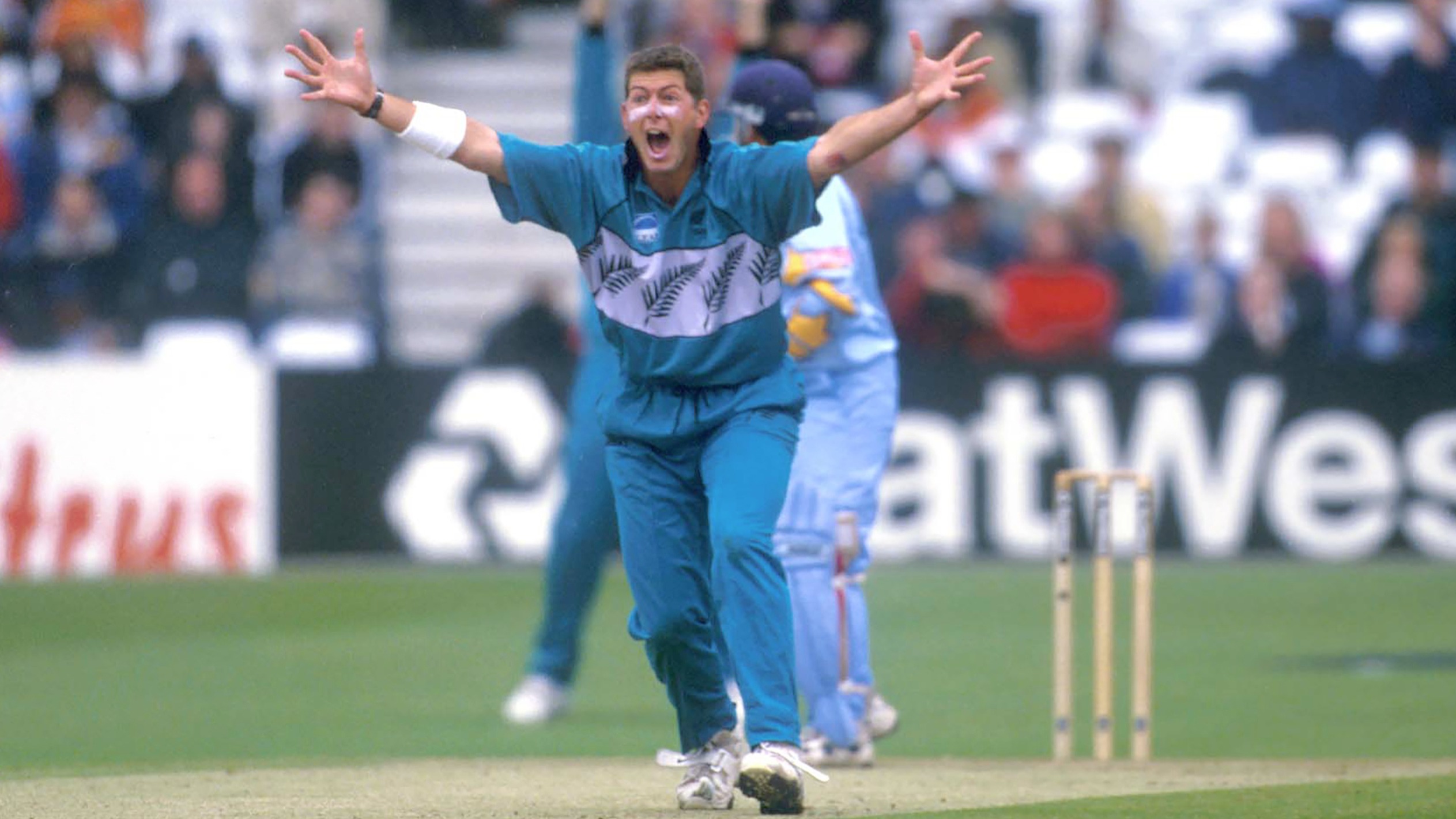
Geoff Allott in action for NZ at the 1999 World Cup | Photo: Andrew Cornaga/Photosport
The talking points and struggles aren’t isolated to just cricket in Aotearoa - it’s global. The franchise game continues to build into a bigger behemoth, bilateral cricket struggles for context and relevance without a definitive calendar, and two of the three formats in perilous positions internationally.
However, there’s also an influx of investment and revenue, new broadcast opportunities, and consistent growth in both the men’s and women’s game, particularly when it comes to the skill and product.
NZC will rarely be the one holding court around the international table of power, but Allott and the governing body can help be proactive leaders in those spaces.
Key to that is Allott’s renowned respect and experience in the commercial space with strong ties and relationships to India.
Like it or not, the game is run by the rupee, and Allott’s time as a player and now Executive Director and founding shareholder of Quality NZ will be hugely advantageous, as will his previous time in and out of the game.
As someone who’s been GM of cricket at NZC, on the Canterbury and NZ boards, the Players Association, and has gained external experience in the private sector, before now returning to help lead the game through a tumultuous time, his skill set feels like a potentially ideal combination.
Closer to home, the task of rebuilding the relationship between the big wigs and the medium-small sized ones should be if not top, then very high up on Allott’s to-do list.
It’s been well-publicised that many leading stakeholders, including the Major Associations and Players Association, have felt a disconnect with the powerbrokers. Some, as has been reported by Sport Nation, even considered further action.
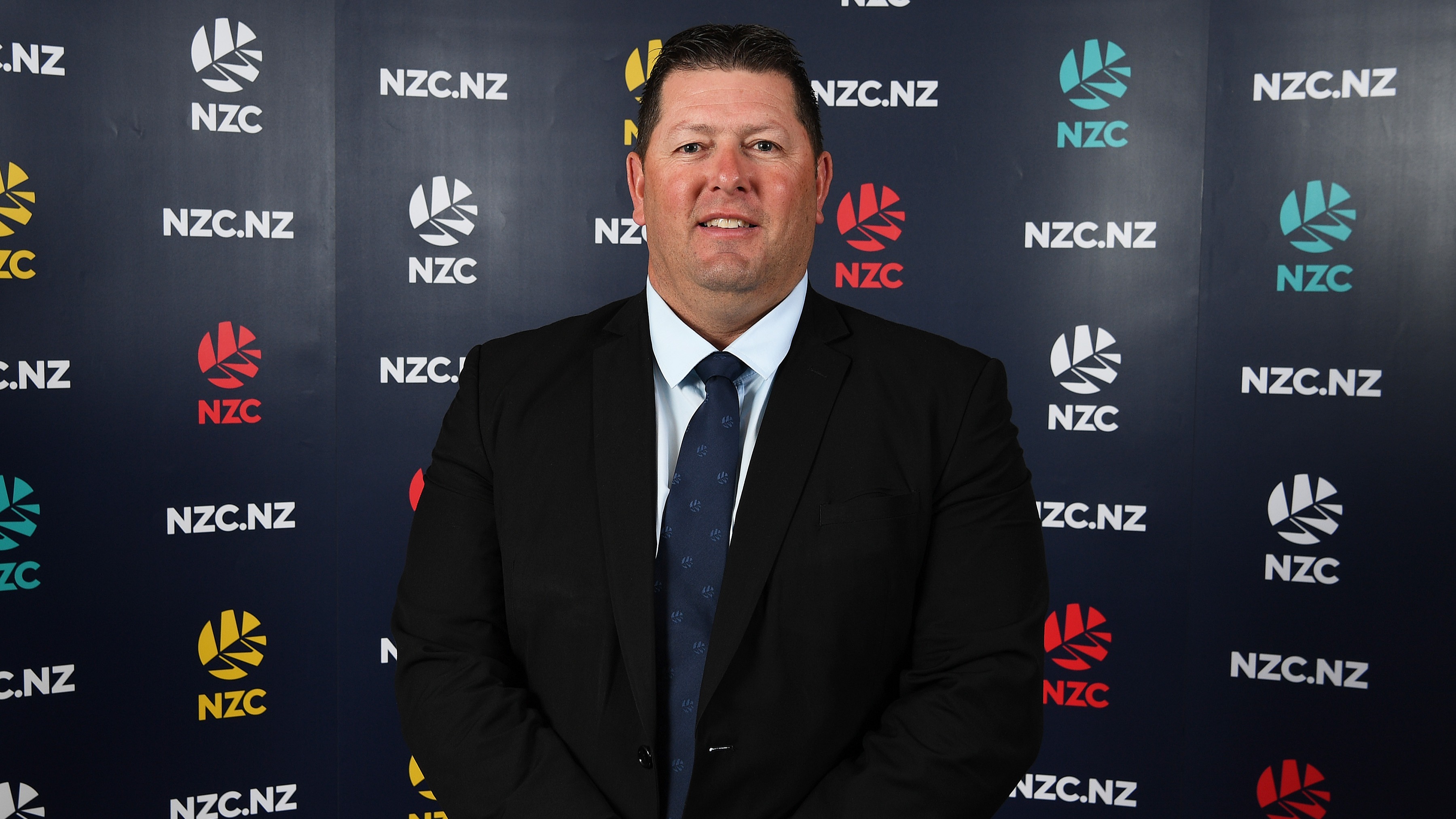
Geoff Allott at NZC | Photo: Andrew Cornaga/Photosport
Allott has to realign and re-engage relationships at all levels to ensure the game is being run in a way that is beneficial to all parties at all levels in all forms in the short, medium and long-term.
At the heart and core of it, needs to be the community and grassroots game, along with the fans. They have many voices, and Allott only has two ears, but it all needs to be heard.
And then there’s the introduction of NZ20.
It’s hoped by the time Allott takes over in July, the obstacles are cleared and the new competition is finalised. Especially if the inaugural season is to proceed as NZC and the governing body hope and have planned for.
Once he does take over, he’ll have to work alongside respective partners, of which there will be many, to help guide the game here through this ongoing period of change.
But if the reaction to Allott’s appointment is anything to go by, he appears to be the right man to steer cricket in New Zealand through choppy waters and into new frontiers.
Speaking to various stakeholders since the announcement, there’s been consistent words and phrases used to describe him.
“Authentic.”
“High integrity.”
“Knows his stuff.”
“Good person.”
“Down to earth.”
And what stood out from his interview on Sport Nation’s Millsy and Guy was his communication. It’s not what he was saying, but how he was saying it.
It was clear, it was honest.
A translator wasn’t necessary to understand what he was trying to communicate, nor someone with his business acumen.
Simple language may be best in complicated times.